300

Author
infoAliment
Share on


Published on
2025 November 12

Animal protein remains a central element of the European diet, but the way it is produced and consumed is evolving toward sustainability. According to the FAO (2024), animal-based proteins account for an average of 56% of the total protein intake of the European population, providing superior bioavailability and a complete profile of essential amino acids.
Although environmental pressures have sparked debates on reducing meat consumption, studies by EFSA and WHO show that mixed diets—combining animal and plant proteins—deliver the best outcomes for health and metabolic performance. Moderate consumption of lean meat (3–4 servings per week) is associated with a 20% lower risk of chronic diseases compared to restrictive diets.
In Romania, the average protein intake is 87 g/day, according to the National Institute of Statistics (INS), with more than 55% coming from meat, eggs, and dairy. The transition toward a balanced diet does not mean eliminating animal proteins, but integrating them within a framework of responsible consumption.
The European Commission, through the From Farm to Fork strategy, promotes reducing the climate impact of meat production and supporting farms that implement sustainable practices—local feed, renewable energy, and animal welfare.
For Romania, maintaining the balance between nutrition and sustainability depends on farm modernization and consumer education. Animal protein remains essential to a healthy diet, but it must be produced responsibly and efficiently.
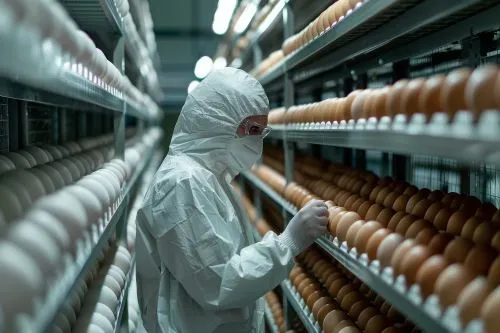
(Photo: Freepik)