234

Author
infoAliment
Share on


Published on
2026 February 13
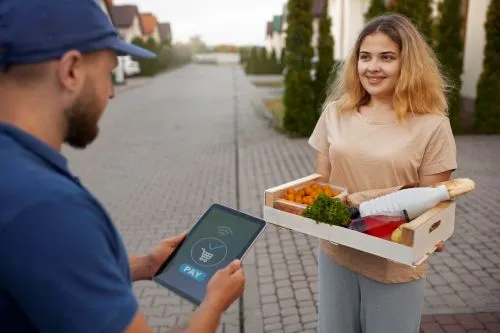
Food retail is evolving toward predictive models in which consumption is anticipated through algorithms. The “subscription grocery” concept—periodic delivery based on a subscription—is already implemented in the United States and Western Europe by online platforms and digital retailers.
The systems use:
purchase history seasonality of consumption demographic data food preferences.
Algorithms estimate monthly needs and propose recurring baskets: dairy products, staple goods, fresh items. Consumer intervention is minimal, and delivery becomes automatic.
Advantages for retail include:
demand predictability reduction of food waste logistics optimization high customer loyalty.
For producers, the model reshapes the supply chain: volumes become predictable, and new product launches can be tested on subscriber groups.
In Europe, development is supported by the growth of online food retail and urban logistics infrastructure. In Romania, the model is still at an early stage, but the expansion of e-commerce and rapid delivery services creates favorable conditions.
AI-driven retail does not eliminate physical stores; rather, it transforms them: their role becomes experiential, while basic consumption shifts toward automation and subscription-based services.
(Photo: Freepik)
Did you learn something new from this article?
Read also: