266

Author
infoAliment
Share on


Published on
2025 November 25
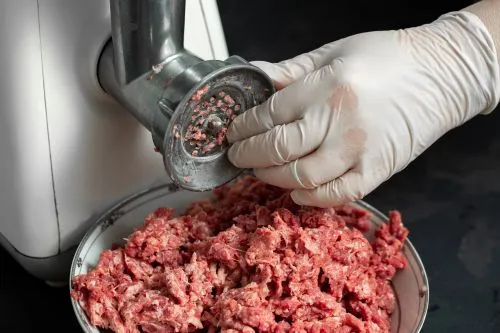
Food safety remains a central element of the meat industry in the European Union. According to the legislative framework EC 852/2004, 853/2004 and 2073/2005, operators in the sector must ensure the control of pathogenic microorganisms, complete traceability and compliance with hygiene standards at all stages of the production chain.
Recent EFSA data (2024) show a decrease in the incidence of Salmonella in most Member States, due to farm-level control programs and investments in biosecurity. For Romania, official monitoring carried out together with ANSVSA indicates a similar trend, with a gradual reduction in positive results in the tested batches.
Modern processing uses rapid refrigeration technologies, modified-atmosphere packaging and digital monitoring of microbiological parameters. These practices reduce the risk of secondary contamination and maintain the quality of meat during transport and storage.
Official inspections play an important role. According to the European Commission, slaughter and processing units undergo periodic audits, with emphasis on the control of technological water, equipment sanitation and the management of workflows to avoid contact between raw meat and finished products.
The industry in Romania continues to invest in automated production lines and quality management systems, especially HACCP and ISO 22000. In addition, the use of rapid pathogen detection technologies allows faster batch release and reduces the risk of market withdrawals.
In the medium term, European directions focus on digitalization, sustainability and reducing food waste. Food safety remains an essential criterion for the competitiveness of processors and for consumer confidence in meat products.
(Photo: Freepik)