322

Author
infoAliment
Share on


Published on
2025 October 27
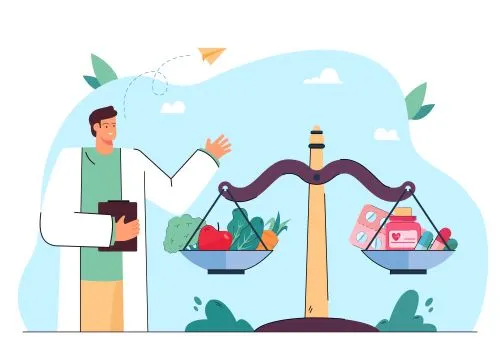
European nutrition is undergoing a profound transformation, marked by a shift toward sustainable, balanced, and science-based diets. According to the World Health Organization (2024), more than 60% of Europeans are trying to reduce their intake of sugar and saturated fats, while 35% say they prefer eco-certified or “clean label” products.
A recent FAO and EFSA (2025) report confirms that the Mediterranean diet remains the most balanced dietary model, helping reduce the risk of cardiovascular diseases and type 2 diabetes by up to 30%. This diet emphasizes the consumption of fish, lean meats, fresh vegetables, and unsaturated fats.
In Eastern Europe, dietary trends are gradually aligning with those of Western countries. In Romania, data from the National Institute of Statistics (INS) show that fruit and vegetable consumption increased by 8% in 2024, while sales of processed meat stagnated. This shift reflects both a growing interest in healthy eating and the impact of public awareness campaigns supported by authorities and NGOs.
At the same time, technology is becoming a decisive factor in shaping the future of nutrition. Calorie-tracking apps and digital nutrition platforms are now used by over 20% of urban consumers. According to Euromonitor (2024), the food tech segment focused on personalized nutrition is expected to exceed €25 billion by 2026.
For Romania, the main challenge lies in integrating nutrition education into public policies and supporting the local food industry in developing products that are healthy, affordable, and competitive.
The future of European nutrition is no longer just about food — it’s about responsibility: to our bodies, to the economy, and to the planet.
(Photo: Freepik)
Did you learn something new from this article?
Read also: