170

Author
infoAliment
Share on


Published on
2026 February 23
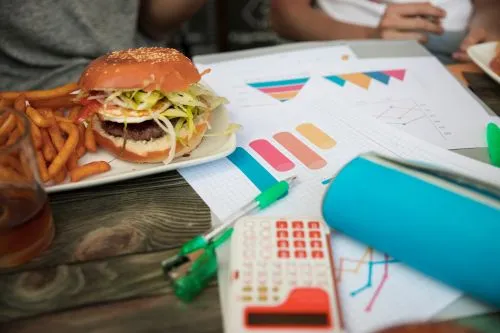
In 2026, the Romanian consumer remains price-conscious, but no longer buys indiscriminately. The market is splitting in two: aggressive saving for the basic basket and small premium “treats” for specific consumption moments.
What is growing rapidly
Local & “Made in Romania” – also as a trust-driven choice. In a PwC Romania study, more than half of respondents said they prefer to buy locally produced food.
Promotions & value hunting – consumers compare, chase discounts, and are more willing to accept value brands. The same report highlights a stronger focus on saving and reducing food waste.
Ready-meal / ready-to-eat – as time becomes more valuable, demand increases for convenient, ready-to-consume products, especially in urban areas and among busy families.
“Meaningful” premium – higher-priced products backed by clear arguments (taste, origin, protein content, quality). At international level, 2026 trend forecasts point to renewed interest in meat quality and more intense sensory experiences.
What is cooling down
“Organic” without clear proof/benefit – if the price difference is significant, consumers expect justification (certifications, traceability).
Ambiguous “healthy” products – vague labels and general promises are met with growing skepticism.
The defining direction of the year
The criteria shaping the shopping basket are: price + trust + convenience. Research on food consumption behavior in Romania confirms that purchasing decisions are strongly influenced by price and accessibility, but also by product perception (origin, attributes).
If you are a producer, the stake in 2026 is simple: either you win in the value segment (fair price and consistent quality), or you build a credible premium offering (origin, traceability, real differentiation).
(Photo: Freepik)
Did you learn something new from this article?
Read also: