397

Author
infoAliment
Share on


Published on
2025 November 27
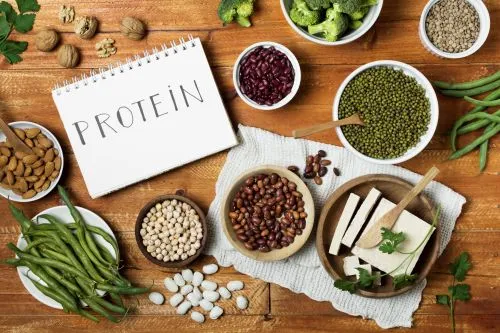
Protein transition is one of the strategic priorities defined by the European Commission for the 2024–2030 period, aiming to diversify protein sources and reduce pressure on natural resources. According to FAO (2024), global demand for protein is expected to increase by more than 20% by 2030, while EU Member States seek to maintain a balance between animal, plant-based, and emerging alternative proteins.
Eurostat data show that animal proteins account for approximately 57% of total protein intake among the European population. Poultry remains the main supplier, followed by pork and fish. At the same time, the consumption of legumes and plant-based products with high protein profiles has increased by more than 14% over the past five years, driven by interest in balanced diets and the expansion of retail offerings.
EFSA recommendations emphasise the need for an appropriate combination of animal and plant proteins to ensure a complete supply of essential amino acids. Animal proteins remain important sources of haem iron, vitamin B12, and zinc, while plant proteins provide significant amounts of fibre and bioactive compounds.
In Romania, consumption patterns are gradually shifting. INS data (2024) indicate an increase in the consumption of lean meat and fish, along with the expansion of the vegetarian and flexitarian segments. Nevertheless, animal proteins continue to dominate the national diet, accounting for more than 60% of total protein intake.
On the industrial side, the protein transition involves investments in efficient production processes, nutritional reformulation, and the use of low-impact processing technologies. For the livestock sector, challenges include emission pressure, European sustainability regulations, and the need to optimise resource use.
The protein transition does not imply eliminating meat, but rather integrating a more diversified mix of protein sources, supported by innovation, clear regulations, and nutritional education.
(Photo: Freepik)